
Introduction
Context and Global SEO Imperatives in 2026
Global search continues to evolve rapidly. Enterprises must balance international reach with regionally relevant experiences. Search engines reward sites that clearly serve each market, language, and intent. You need architecture, content, and signals that reflect local nuance while preserving brand integrity.
Efficiency matters. A scalable approach blends multilingual localization with SEO signals that travel across markets. The outcome is faster indexation, higher relevance, and better visibility in diverse search ecosystems.
- Authority must be recognizable in every market, not just on the primary domain.
- Architecture has to carry language, region, canonical, and crawl signals cleanly at scale.
- LLM-assisted localization speeds production, while human review protects regulatory fit, nuance, and brand voice.
- Success shifts from ranking alone toward visibility, engagement, index health, and trustworthy AI-era discovery across locales.
Language, market targeting, hreflang, regional intent, and indexability.
Local authority, trust signals, expertise, evidence, and credible market presence.
Scalable global architecture, governance, crawl control, and deployment consistency.
Prompt-aware content, multilingual metadata, structured signals, and AI-assisted localization.
How Multilingual Localization Accelerates Enterprise Reach
Our approach at MultiLipi centers on speed and accuracy. One-line code integration lets teams deploy translations quickly without sacrificing quality.
Key benefits include:
- Unified multilingual metadata that aligns with local queries
- Editable translations that preserve tone and intent across languages
- Seamless CMS/eCommerce integration for consistent regional experiences
2. AEO (Authority Experience Optimization): Building Trusted Global Authority
E-A-T Signals Across Markets
Align expertise, authority, and trust with each market’s expectations, considering AEO signals and Localized Authority. E-A-T adapts to local norms, regulatory landscapes, and industry standards while signaling appropriate local expertise. Demonstrate proficiency through locally recognized authors, case studies, and certifications that resonate with regional audiences, thereby reinforcing both localized authority and the alignment with AEO expectations.
Ensure content governance reflects regional nuances. Brand voice, author bios, and publication history should convey credible, locale relevant expertise without sacrificing global consistency.
Global Brand Mentions and Link Strategy
Brand presence extends beyond links. Earn credible mentions in regional media, industry directories, and authoritative domains within each market. Build a sustainable link profile that mirrors local trust cues and language specific citation patterns.
Monitor cross border anchor strategies to avoid misalignment. Localized anchor text should reflect market terminology while preserving core brand semantics.
Experience, Expertise, and Localization Quality Signals
Experience signals include user interactions, review quality, and on site accessibility in every language. Facilitate native language author conversations, timely updates, and locally relevant case examples.
Localization quality signals measure translation accuracy, cultural appropriateness, and technical correctness. High quality localization reinforces authority and reduces user friction across regions.
3. GEO (Global Enterprise Optimization): Site Architecture for Global Scale
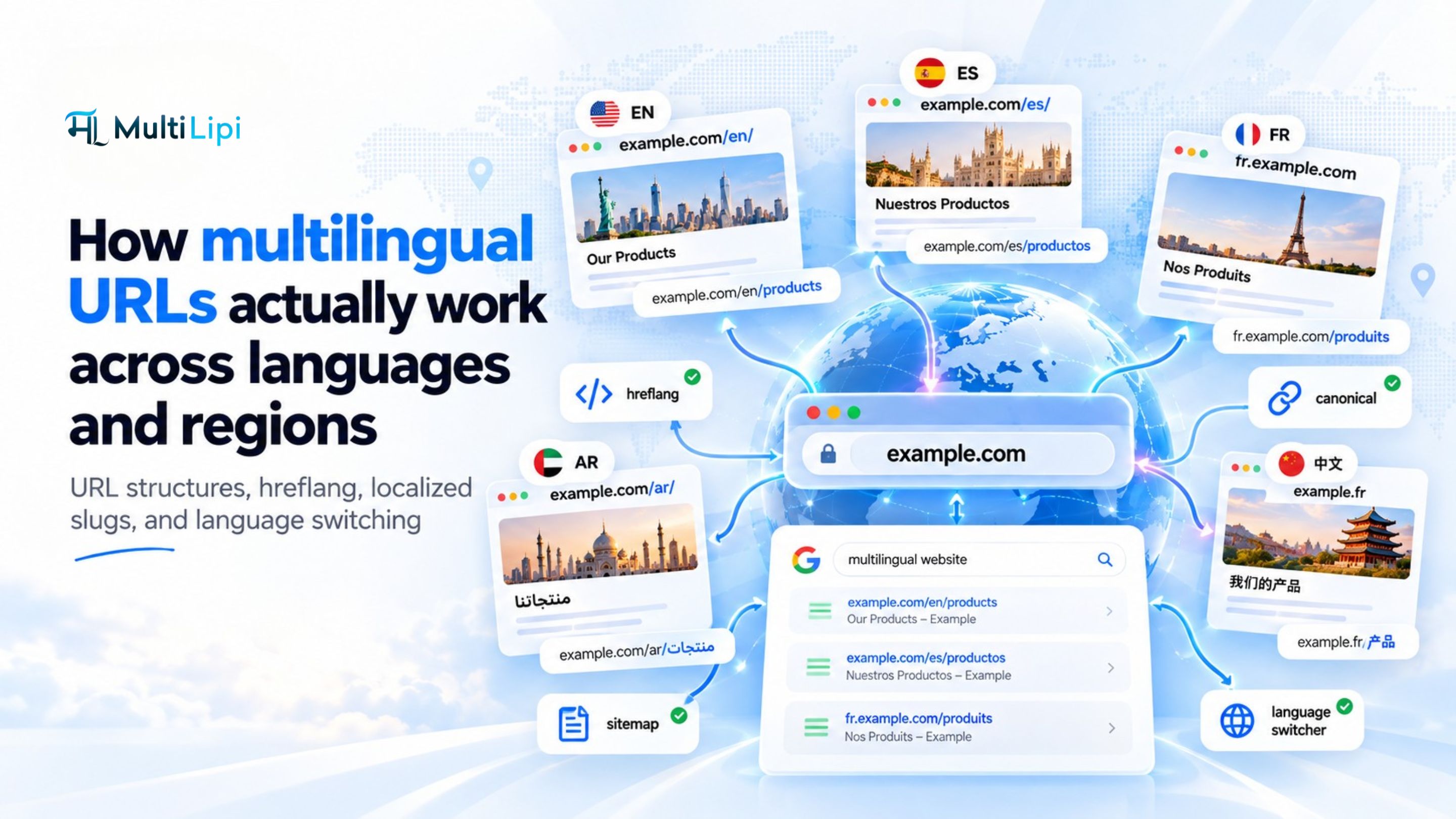
Hierarchical URL and hreflang Architecture
Signal regional intent and language from the start with a clear, scalable URL structure. Use country or language qualifiers and logical parent-child hierarchies to support indexing and maintenance.
Apply hreflang thoughtfully to reduce duplicates and boost regional relevance. Pair language tags with the target country where appropriate, and keep canonicalization consistent within each language family.
Crawl Budget Management for Multiregional Sites
Direct crawl effort toward high value regional pages first. Use precise robots directives and granular sitemaps to guide bots to critical content across markets.
Group low-value pages or regional duplicates behind indexable but non-crawled paths to conserve crawl resources for core locales.
CMS and Infrastructure Considerations for Global Deployments
Choose a CMS that handles multilingual content natively, supports per-region metadata, and enables scalable deployment hooks in a GEO site architecture for multilingual global deployment. Align workflows across markets to maintain consistency while effectively managing content distribution and localization.
Invest in regional edge caching and DNS routing to reduce latency. Ensure hosting, staging, and production environments mirror one another to avoid deployment drift across geographies.
Authors, citations, brand mentions, local expertise, case evidence, and governance.
URLs, hreflang, canonical rules, crawl budget, sitemaps, CMS, and regional delivery.
Prompts, metadata, translation memory, glossaries, QA, and human-in-the-loop review.
4. LLM-Driven Localization and SEO: AI-Enabled Content and Metadata
Prompting and Data Pipelines for Multilingual Content
Define prompts that align with regional intent and brand voice while preserving global consistency. Tailor prompts to capture local nuance without drifting from the core message.
Develop data pipelines that feed multilingual corpora, glossary terms, and translation memories into the LLM workflow, enhancing it with LLM-driven multilingual metadata and prompts. Ensure updates propagate smoothly to all markets and stay synchronized with content planning calendars.
LLM-Optimized Metadata (Titles, Descriptions, Alt Text) Across Regions
Craft regionally relevant titles and meta descriptions that reflect local search behavior and cultural context. Maintain branding consistency while adapting phrasing for each market.
- Titles balance keyword specificity with user intent in nearby languages
- Descriptions convey value while respecting region-specific character limits
- Alt text describes visuals in culturally appropriate, accessible ways
Quality Assurance and Human-in-the-Loop for Global SERP Alignment
Incorporate human review at key checkpoints to validate accuracy, tone, and regulatory compliance. Use feedback loops to refine prompts and outputs.
Monitor alignment indicators such as click-through rates, dwell time, and bounce signals across markets to keep content globally relevant and locally resonant.
5. Global Content Automation vs. Human-Centric Localization: Balancing Speed and Quality
When to Automate and When to Localize Manually
Automation accelerates content production at scale but can overlook regional nuance. Apply automation to high-volume assets that follow consistent templates, such as metadata skeletons and templated product descriptions.
Reserve manual localization for culturally sensitive topics, brand storytelling, and regional campaigns where tone, regulatory compliance, and local relevance drive engagement.
- Automate: templated pages, metadata generation, multilingual translation memories.
- Localize: hero stories, regional case studies, community-focused content.
- Hybrid: machine drafts refined by humans before publication.
Quality Metrics for AI Generated Global Content
Identify indicators that reflect true global effectiveness beyond surface metrics. Tie quality to user experience and regulatory compliance across markets.
- Localization accuracy and cultural fit
- Regulatory checks per market
- Engagement signals by region, such as time on page and scroll depth
Localization Testing in Multimarket Campaigns
Validate resonance by testing variants across audiences. Use controlled experiments to prevent cross-market contamination and skewed results.
- A/B tests on regional landing pages
- Multilingual headline and CTA testing
- Post-launch QA to verify hreflang and canonical signals remain intact
- Regional storytelling, sensitive claims, regulatory wording, and high-value campaign pages deserve human review.
- Automation is strongest on repeatable structures such as metadata patterns, templated pages, translation memory, and initial drafts.
- The scalable model is hybrid: machines accelerate volume; regional experts validate relevance, tone, and risk.
6. Technical SEO for Multilingual Sites: Core Web Vitals and Indexing in 2026
Structured Data and Multilingual Schema
Clearly signal language and regional targets to search engines using multilingual schema. Leverage JSON-LD to declare language variants, country codes, and locale-specific details for products or articles.
Keep structured data accurate across translations and automate updates as content changes to maintain consistency.
Canonicalization, Pagination, and Duplicate Content Handling
Apply canonical tags to consolidate signals while preserving regional visibility. Distinguish region-specific pages when necessary to prevent cross-language canonical conflicts.
Manage pagination with rel canonical and next/prev markup to sustain user experience and crawl efficiency on multi-page catalogs.
Indexing Policies and International Sitemaps
Set per-region indexing rules to prioritize high-value markets. Use robots directives to govern regional crawl access where needed.
Publish language and region aware sitemaps that include alternate href lang references. Align sitemap cadence with content deployment to reduce indexing delays.
7. Enterprise Localization Workflow: From Code Integration to Global Rollout
One-Line Code Integration for Velocity
Use a lightweight integration layer that connects translation workflows to your core codebase. A single configuration line should trigger locale generation, content routing, and versioning across markets, reducing friction during global releases and speeding up time to market.
CMS/eCommerce Integration Patterns
- Headless CMS with locale aware content modeling for product pages, blogs, and support content.
- Unified translation workspace embedded in the CMS to manage glossaries, translation memories, and reviewer roles.
- Shopfronts with per market catalogs, currency, and tax rules that align with regional SEO goals.
Localization QA at Scale
- Automated linguistic checks paired with human review queues for high risk pages.
- Regulatory compliance validations embedded in the deployment pipeline per market.
- Pre release dashboards showing localization coverage, QA pass rates, and regional readiness metrics.
FAQ
What are the core differences between International SEO and GEO/AEO?
International SEO targets optimization across multiple countries and languages at the market level. It prioritizes hreflang signals, country targeting, and language variants to align with regional user intent.
GEO, or Global Enterprise Optimization, emphasizes scalable site architecture and centralized management of global properties. It focuses on a cohesive crawl strategy, global templates, and region-specific indexing controls within a single framework.
- Scope: International SEO targets markets; GEO focuses on scalable global deployment.
- Structure: International uses country and language pages; GEO uses a unified, multi-region architecture.
- Signals: International relies on region-aware signals; GEO emphasizes consistent global signals and governance.
How can LLMs improve multilingual metadata without compromising quality?
LLMs can draft titles, descriptions, and alt text in multiple languages while preserving brand voice. Pair them with human review to ensure cultural nuance and regulatory compliance.
Use controlled prompts and validation checks to maintain terminology consistency and regional relevance across markets.
- Workflow: automated drafts plus expert QA to confirm accuracy.
- Quality controls: glossary alignment, regulatory checks, and regional tone adjustments.
- Output management: store translations in a centralized memory for consistency over time.
What measurements define success for Global Enterprise SEO in 2026?
Success blends reach, relevance, and performance across markets. Key indicators include organic visibility in target regions, engagement depth, and revenue-aligned conversions.
Conclusion
Strategic Takeaways for Global Growth
Global Enterprise SEO 2026: Scope and Framework necessitates a careful balance of authority, scalable architecture, and intelligent automation. It is vital to build trusted signals across markets while preserving a cohesive global framework that supports diverse business objectives in an increasingly interconnected digital landscape.
Align AEO practices with local expertise, craft a robust GEO site structure, and apply LLM-powered localization without compromising quality.
Next Steps for Implementing a Global Enterprise SEO Program
- Inventory markets, languages, and regulatory requirements to map international, geo, and language priorities.
- Audit site architecture for hreflang accuracy, crawl efficiency, and scalable templates across regions.
- Implement a one-line code integration to streamline translation workflows and accelerate rollouts.
- Establish a governance model combining AI-driven metadata with human in the loop QA for regional alignment.
- Develop a multilingual content pipeline that pairs prompt-driven outputs with rigorous quality checks.
Continue building your global search stack
These MultiLipi guides and tools help operationalize international SEO, authority signals, technical governance, multilingual schema, and AI-era optimization across markets.